ABOUT THE VISION
Overview
The One Hub is a living network for discovery — bringing together science, natural philosophy, health, consciousness, history, and the wisdom of the ages.
It was created from a simple idea: some of humanity’s most important knowledge exists in separate worlds.
Scientists speak to scientists. Healers preserve traditions within their own communities. Independent researchers develop new models. Libraries safeguard rare books and forgotten works. Inventors leave behind archives that may never reach the next generation. And important questions — particularly those that fall outside conventional academic boundaries — can remain unexplored.
The One Hub creates the bridge between them.
It is not intended to replace the organizations, researchers, libraries, or schools that become part of it. Each retains its own identity, history, leadership, and body of work. The Hub provides the larger network through which these worlds can connect, be preserved, taught, explored, and discovered by new audiences.
Stepping Outside the Box
Throughout history, discovery has often depended upon people willing to question what was considered settled.
Some were rule-breakers. Some investigated anomalies others ignored. Some recovered ancient knowledge or challenged accepted models. Some ideas were dismissed or marginalized, while others met institutional resistance or, at times, suppression.
The One Hub believes these histories and questions deserve a place at the table.
That does not mean abandoning established science. It means expanding the field of inquiry — learning what is known while remaining willing to investigate what is unexplained, revisit what has been forgotten, and question what we think we know.
Evidence matters. Critical thinking matters. So do curiosity, imagination, experimentation, and the freedom to ask difficult questions.
From the Digital World to the Physical
At the heart of The One Hub is the Science of Life Museum — an encounter with the patterns, forces, and principles that animate the natural world, from the smallest subatomic scales to the largest structures of the cosmos.
Beginning as a digital gateway, the Museum connects ideas across physics, water, light, sound, frequency, geometry, biology, health, consciousness, cosmology, invention, and natural philosophy.
The longer-term vision is physical: an immersive environment where knowledge moves beyond words on a page and can be experienced through the senses and the body — seen, heard, touched, tested, and explored.
It is a museum not simply of objects, but of ideas, patterns, experiments, experiences, and discovery.
Learning Without Walls
WISE University extends this vision into education.
Structured as a university of distinct colleges and departments, WISE brings together established science with open questions, anomalies, unconventional observations, historical knowledge, and alternative theories worthy of serious investigation.
Each participating school or organization retains its own expertise, leadership, curriculum, and identity while becoming part of a larger interdisciplinary learning environment.
The model is designed for accelerated learning across disciplines. A student may enter through physics and discover connections to water, biology, geometry, or consciousness. A health professional may encounter ideas from biophysics, light, sound, or traditional medicine. A young person may simply begin with a question and discover an entirely new path of study.
Rather than separating knowledge into isolated compartments, WISE encourages learners to see the relationships between them.
A Living Library
The One Hub also connects extraordinary independent libraries, databases, archives, and research communities.
These include resources associated with the World Research Foundation, the World Institute for Scientific Exploration, the Natural Philosophy Wiki and Chappell Natural Philosophy Society, the Patrick Flanagan Library, the research and Water Conference archives of Dr. Gerald Pollack, and other collections and organizations joining the network.
Together, these resources preserve generations of independent science, integrative health knowledge, natural philosophy, rare and historical works, unconventional research, and ideas that might otherwise become scattered or lost.
The Hub does not erase the identities behind these collections. It connects them.
Researchers can lead to teachers. Teachers can lead to archives. Archives can lead to experiments. Experiments can lead to new questions. And a question asked in one discipline may find an unexpected answer in another.
Wisdom of the Ages — For the Future
The One Hub is ultimately about more than preserving the past.
It is about creating an environment in which knowledge can live, connect, evolve, and inspire what comes next.
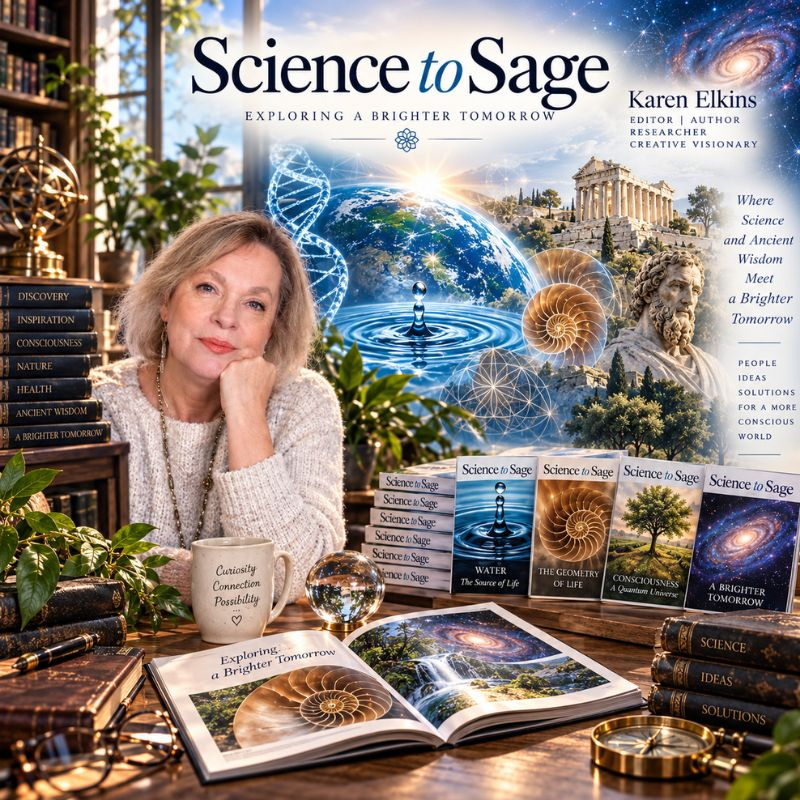
Karen Elkins
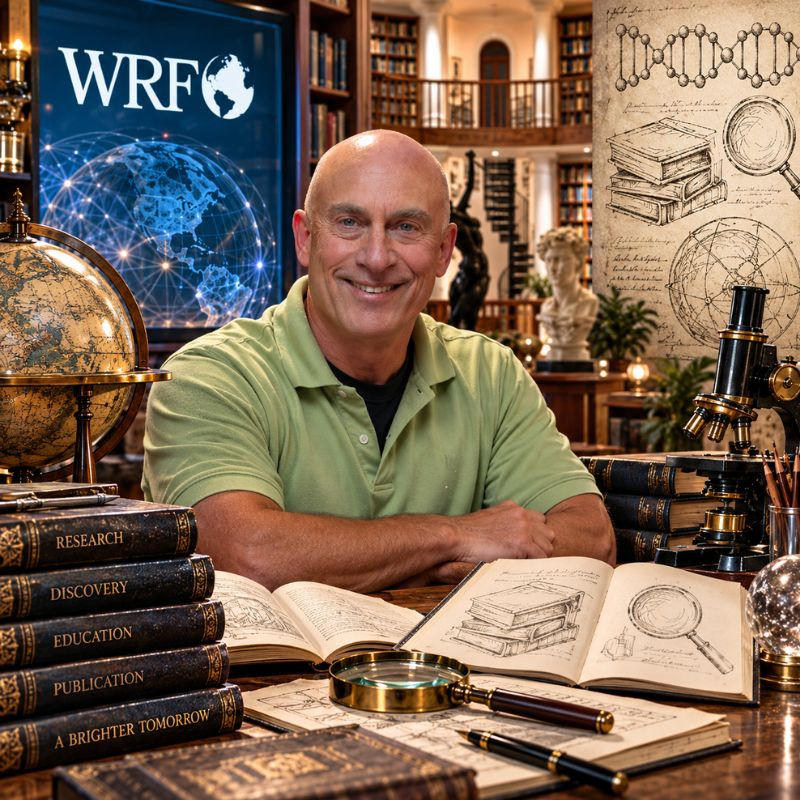
Steve Ross, Ph.D
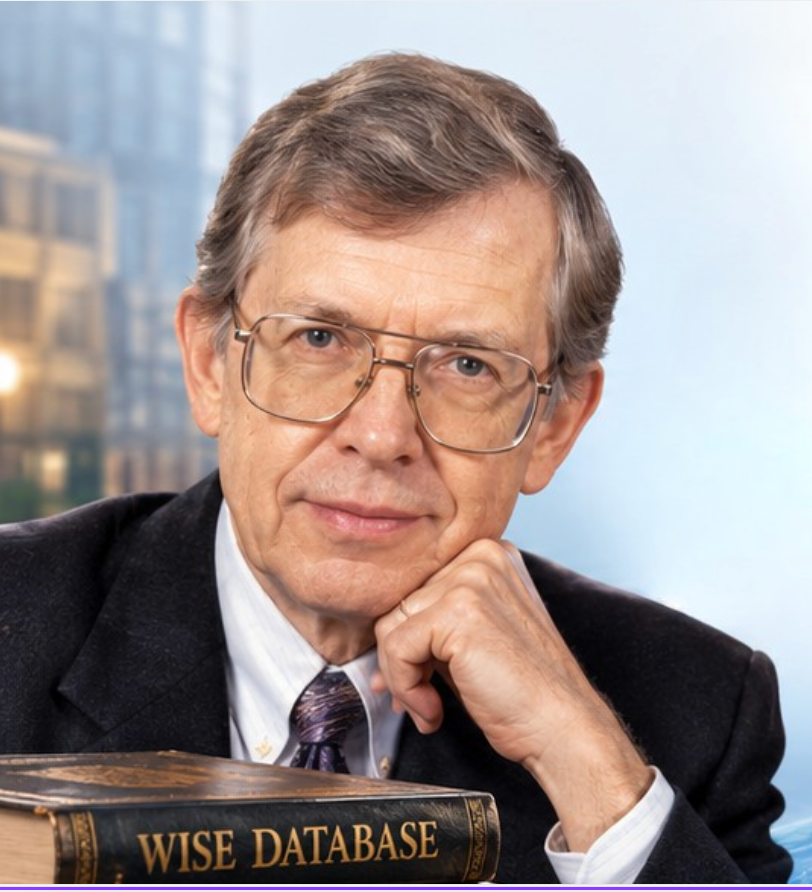
John Reid, MD